UAE Embassy Attestation for Visa & Employment
Learn about UAE embassy attestation for visa and employment purposes. Understand the requirements and process for attestation to ensure a smooth application experience.
11/15/20258 min read
What is Embassy Attestation?
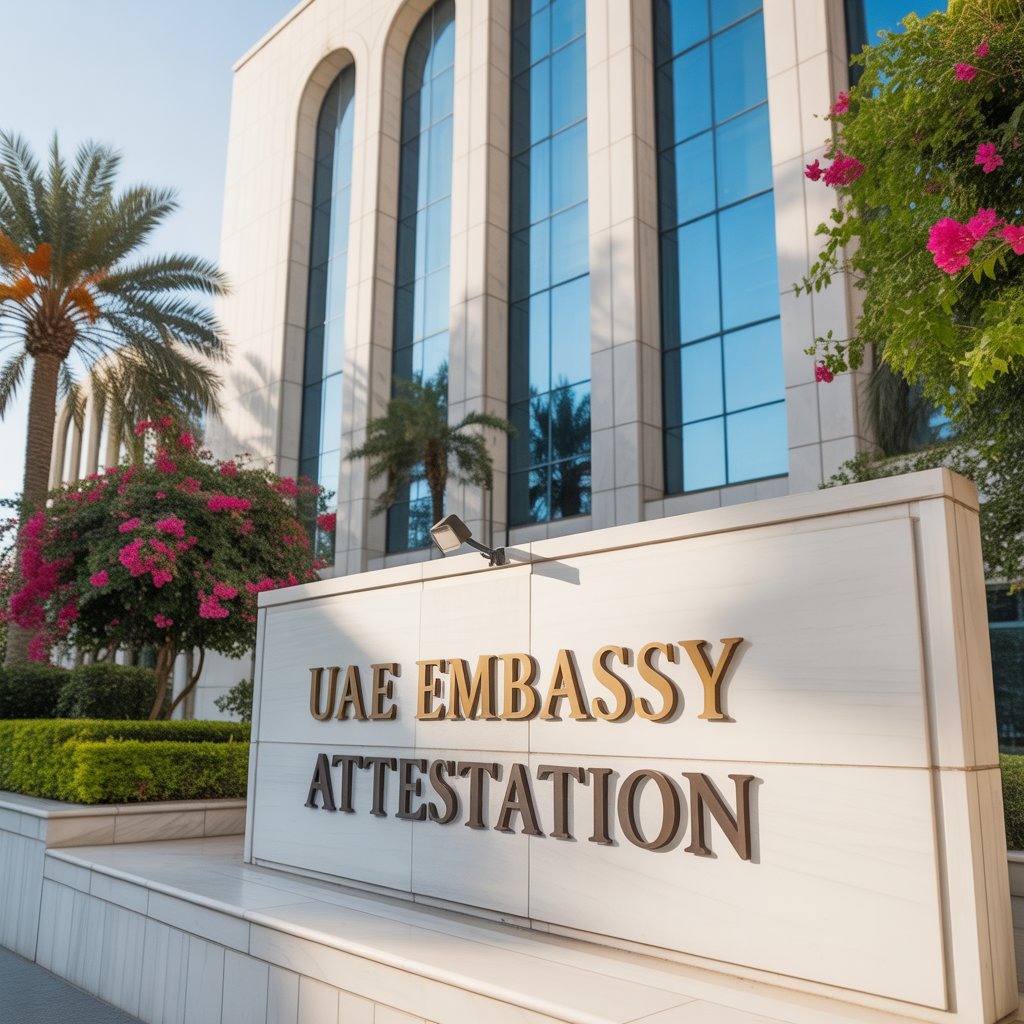
Embassy attestation refers to the official verification process wherein documents issued in one country are authenticated by the respective embassy or consulate of that country located in another. This procedure serves as a critical measure to ensure the legitimacy of various documents, especially for individuals intending to travel to the United Arab Emirates (UAE) for purposes such as employment or visa applications.
The primary role of embassy attestation lies in the authentication of educational certificates, employment letters, and other significant documents. This validation is essential as it confirms that the documents meet the legal requirements set forth by the authorities in the UAE. Without proper attestation, foreign documents may not be recognized, potentially hindering an individual's ability to obtain a visa or secure employment in the region.
The process usually involves several steps, beginning with the document being verified by the relevant government bodies in the country of origin. After this initial verification, the document is taken to the embassy or consulate of the UAE, where further checks are conducted to ensure that all information provided is genuine. Once this process is complete, the embassy will affix an official stamp or seal, thus certifying the document’s authenticity and making it valid for use in the UAE.
Understanding the significance of embassy attestation is crucial for individuals looking to work or reside in the UAE. This procedure not only safeguards against the submission of fraudulent documents but also assists in streamlining the application process. Given the stringent requirements for visa and employment applications in the UAE, individuals must prioritize obtaining proper attestation for all necessary documents to avoid any complications during their journey to the UAE.
The Role of Embassy Attestation in Visa Application
Embassy attestation is a pivotal process in the visa application journey for individuals seeking to enter the United Arab Emirates (UAE). This procedure involves the verification of various documents by the relevant embassy to confirm their authenticity, which is essential for facilitating visa approvals. Among the key documents that typically require attestation are educational certificates, marriage licenses, and professional qualifications. Each of these documents serves a specific purpose during the visa process, contributing to the applicant's credibility and eligibility.
Educational certificates are often a primary requirement for individuals applying for work visas or educational institutions in the UAE. The attestation of these certificates assures the authorities that the educational qualifications claimed by the applicant are genuine, thus preventing any fraudulent misrepresentation. Similarly, marriage licenses may be required for family visas or spousal sponsorship, necessitating their authentication to establish the legitimacy of the applicant's relationship.
Failure to have necessary documents attested can lead to significant delays or even rejection of the visa application. Authorities in the UAE may view non-attested documents as unreliable, potentially harming the applicant's prospects. In some cases, individuals may be faced with additional requirements or instructions to rectify documentation issues, which can be both time-consuming and costly. Therefore, ensuring all relevant documents are properly attested before applying for a visa is crucial.
In summary, embassy attestation plays an integral role in the visa application process for the UAE. By verifying the authenticity of critical documents such as educational certificates and marriage licenses, this step safeguards both applicant integrity and regulatory compliance, making it a fundamental aspect for successful visa acquisition.
Attestation Requirements for Employment in the UAE
Attestation is a crucial process for individuals seeking employment in the United Arab Emirates (UAE). This process ensures that all necessary educational and professional qualifications are recognized and validated by the relevant authorities, paving the way for a smooth entry into the job market. The attestation of documents is typically mandated for various employment-related purposes, and it involves a series of steps to confirm the authenticity of educational and professional certificates.
To begin with, the primary documents that require attestation for employment include educational qualifications, such as degrees and diplomas, along with professional licenses, if applicable. Additionally, work experience letters from previous employers play a significant role in verifying an individual’s professional history. These work experience letters should ideally detail the job role, duration of employment, and specific responsibilities undertaken, as they contribute to the overall assessment of an applicant’s qualifications by potential employers in the UAE.
The attestation process typically involves several key institutions. Initially, the documents must be attested by the concerned educational institution, followed by verification from the Ministry of Education in the country of origin. Once these steps are completed, the documents should be presented to the Ministry of Foreign Affairs and International Cooperation in the United Arab Emirates for final attestation. It is important to note that each document might require specific procedures depending on the issuing authority and the country from which it originates.
In addition to the aforementioned steps, individuals may also need to ensure that their documents are translated into Arabic if required. Engaging professional services that specialize in document attestation can facilitate this process, ensuring that all requirements are met and enhancing the chances of a successful visa application for employment in the UAE.
Step-by-Step Process of Embassy Attestation
The process of embassy attestation for visa and employment purposes in the UAE involves several critical steps that require thorough attention to detail. Initially, it is essential to prepare the necessary documents that will require attestation. These typically include educational certificates, employment letters, and personal documents such as birth certificates and marriage licenses. Each document must be verified for authenticity, as any discrepancies could lead to delays or rejections.
The first authority involved in the attestation process is usually the relevant ministry in the home country. For instance, educational documents must be verified by the Ministry of Education or an equivalent authority, while personal documents often require approval from the Ministry of Foreign Affairs. Once verified at this level, the next step involves submission to the embassy or consulate of the UAE in the home country. The embassy will review the documents to ensure that they meet the UAE’s standards before issuing the attestation.
Another significant factor to consider is the timeline associated with each step of this process. The duration can vary; initial verification by the home country authorities may take anywhere from a few days to several weeks, depending on the specific authority and the type of documents involved. The UAE embassy attestation itself might require additional time for processing, typically ranging from one week to ten days. It is advisable to account for these time frames, especially for urgent visa applications.
Lastly, there are costs associated with embassy attestation. These fees can vary based on the document type and the specific embassy’s charges. It is prudent to inquire ahead of time about the total costs involved, including any additional service fees that may apply during the attestation process. Being well-prepared can substantially ease the overall experience of obtaining embassy attestation for visa and employment purposes in the UAE.
Common Mistakes to Avoid in the Attestation Process
When navigating the intricacies of the UAE embassy attestation process for visa and employment purposes, individuals often encounter various pitfalls that can lead to unnecessary delays or rejections. One of the most common mistakes is submitting incomplete documentation. The attestation process requires a specific set of documents tailored to the purpose of the request. Failing to provide all necessary paperwork can stall the application, necessitating additional time and effort to rectify the situation.
Additionally, it is crucial to secure relevant verification from local authorities before approaching the UAE embassy. Many applicants overlook this essential step, assuming that their documents are sufficient as is. Without proper verification—such as notarization from a recognized body—your application may be deemed invalid, resulting in further complications. It is advisable to verify the requirements with the local authorities, ensuring that everything aligns with the stipulations set forth by the UAE.
Another significant error is misunderstanding the specific requirements laid out by the UAE embassy. Each case may vary, and thus, applicants must carefully review the guidelines provided by the embassy to ensure compliance. Relying on outdated information or general advice can lead to missteps, which may ultimately hinder the processing of the attestation. It is prudent to consult the official embassy website or reach out to their offices directly to clarify any doubts.
In conclusion, awareness of these common mistakes can significantly enhance the likelihood of a smooth and efficient attestation process. By ensuring complete documentation, obtaining proper verification, and understanding the embassy's requirements, individuals can mitigate potential issues, thus facilitating a timely acquisition of their required attestations for UAE visa and employment applications.
Embassy Attestation vs. Other Verification Methods
When it comes to the verification of documents for international purposes, various methods exist, each serving unique requirements and jurisdictions. Among these methods are embassy attestation, notarization, and the apostille process. Understanding the differences between these verification methods is essential, particularly for those seeking employment or visa-related services in the United Arab Emirates (UAE).
Embassy attestation is a certification process whereby documents are verified for authenticity by the embassy or consulate of the country where the documents will be used. This process is particularly important for residents or citizens of countries where the UAE requires additional verification beyond local notarization. Attestation assures the UAE authorities that the documents submitted are legitimate and meet the necessary legal standards.
Notarization, on the other hand, is primarily a process conducted by a licensed notary public who validates the authenticity of signatures and the legitimacy of documents within a specific jurisdiction. While notarization serves well for local transactions, it may not suffice for international purposes, especially where embassy attestation is mandatory.
The apostille process functions similarly but is specifically designed for countries that are signatories to the Hague Apostille Convention. An apostille is a certificate that authenticates the origin of a public document. Although it simplifies the authentication processes for many countries, the UAE does not recognize apostilles for certain types of documents, thus necessitating embassy attestation in its stead.
In summary, while notarization and apostille are effective within their respective frameworks, embassy attestation is particularly tailored for the needs of individuals or organizations interacting with the UAE. This unique verification process ensures that all documents comply with the specific regulations set forth by UAE authorities, thereby facilitating smoother transactions regarding visas and employment. Understanding when to use each method is crucial for those aiming to navigate the complexities of international document verification successfully.
Conclusion: The Importance of Proper Attestation
In reviewing the significance of UAE embassy attestation, it becomes evident that proper document validation is crucial for those seeking visa and employment opportunities in the United Arab Emirates. This process confirms the authenticity of documents, such as educational certificates and personal identification, ensuring they meet the legal requirements set by the UAE authorities. The absence of proper attestation can lead to severe complications, including visa rejection or unwarranted delays in the employment process.
Attestation serves not only as a means of verification but also as a legal formality that assures employers and government officials of the reliability of the provided documentation. As discussed, various attestation methods exist, including verification by the relevant ministry and the UAE embassy in the home country. Each step is essential in establishing the legal status of documents, which in turn, supports a smoother transition for expatriates in the UAE job market.
Given the intricate nature of the attestation process, it is advisable for individuals to seek professional services that specialize in document attestation. These experts can guide applicants through the requirements, ensuring that all documents are correctly processed and submitted within the stipulated timelines. By partnering with professionals, applicants can confidently navigate potential pitfalls, significantly reducing the stress associated with visa applications and employment confirmations.
In conclusion, ensuring that all necessary documents are properly attested is not just an administrative step; it is a vital component of a successful transition to life and work in the UAE. By presenting correctly attested documents, applicants can enhance their chances of obtaining visas and securing employment, paving the way for a successful future in the UAE.